In today’s world, sustainability is no longer just a trendy buzzword, it’s a necessity. With growing pressure on resources, rising waste volumes, and the environmental impact of production and consumption, businesses everywhere are being challenged to rethink how they operate.
At the heart of this shift is the “circular economy “- a smarter, more sustainable way of using the resources we already have.
What is a Circular Economy?
The traditional economic model – often called the “take, make, dispose” model, no longer serves our evolving desire to be more mindful about our waste for the sake of the planet. We take raw materials, make products, and eventually throw them away. This system relies heavily on virgin resources, and the result is a growing mountain of waste and rising carbon emissions.
The circular economy turns this idea on its head. Instead of waste being the end of the story, it becomes part of a continuous loop – where materials are kept in use for as long as possible, repaired, reused, remanufactured, or recycled back into the system.
It’s all about closing the loop: designing waste out of the system, keeping resources in play, and regenerating natural systems rather than depleting them.
Why It’s So Important
Every item that gets recycled, repaired, or reused saves valuable resources and energy. By keeping materials in use, we reduce the need for extracting and processing new raw materials – two of the biggest contributors to greenhouse gas emissions.
This isn’t just good for the planet. It’s good for business too.
1. It Cuts Costs
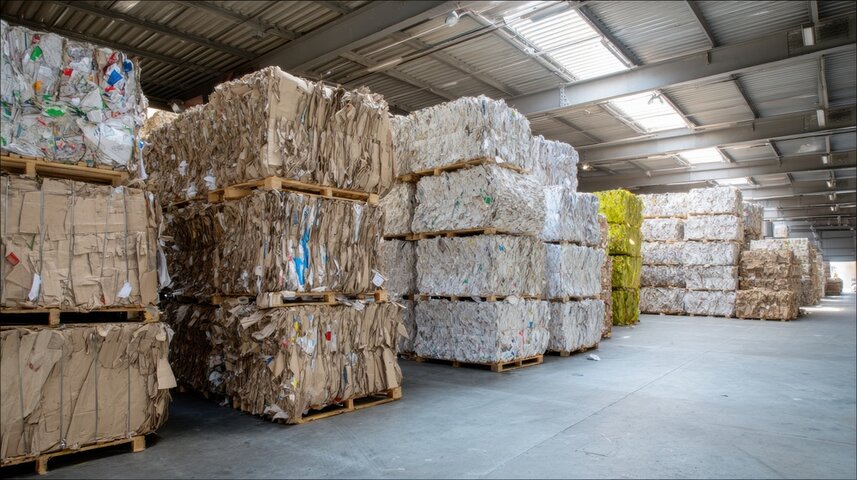
Waste is expensive. Disposal fees, transport costs, and lost material value all add up. By recycling and managing resources more efficiently, businesses can lower their operational costs – and in some cases, even earn rebates for clean, segregated recyclables such as cardboard, paper, metals, and plastics.
2. It Builds Resilience
Relying on virgin materials exposes companies to fluctuating commodity prices and supply chain risks. Using recycled materials helps reduce this dependency and stabilise costs over time. The circular economy gives businesses more control over their resources.
3. It Reduces Carbon Emissions
Recycling uses far less energy than creating products from new materials. For example, recycling just one tonne of cardboard can save around 1.5 tonnes of CO₂. Multiply that across industries, and the impact becomes enormous.
By embedding circular practices, companies contribute directly to net zero goals and help reduce the UK’s overall carbon footprint.
4. It Meets Growing Compliance and Customer Expectations
Regulations around waste and sustainability are tightening fast. From Simpler Recycling to Extended Producer Responsibility (EPR), businesses are being asked to prove they’re handling waste responsibly.
At the same time, customers, clients, and employees increasingly expect companies to act sustainably. Demonstrating a commitment to the circular economy not only keeps your business compliant – it also strengthens your reputation and builds trust.
The Circular Economy in Action
At Perrys Recycling, we’ve seen first-hand how a circular approach makes a difference. For 63 years, we’ve been helping businesses across the South West recover and recycle valuable materials, reduce landfill dependency, and move closer to zero waste operations.
Whether it’s paper and cardboard, plastics and polythene, metal, or confidential materials, our goal is to make recycling easy, reliable, and effective for every business.
We provide everything from storage bins and balers to scheduled collections and detailed recycling reports, giving customers full traceability of where their materials go and how much carbon they’ve saved.
And because we’re a family-run local business, we combine modern recycling technology with a personal, dependable service that keeps our customers’ operations running smoothly.
How Your Business Can Join the Circular Economy
Making the switch to a circular mindset doesn’t happen overnight, but every step counts. Here are a few practical ways to start:
- Review your waste streams – Identify what materials you produce and how they’re handled. Are recyclables being mixed with general waste? Are you missing opportunities to segregate valuable materials?
- Invest in the right equipment – Compacting, baling, and segregating materials on-site improves recycling efficiency and can even create new revenue streams.
- Work with trusted partners – Partnering with a recycling-led waste management provider like Perrys ensures your materials are processed responsibly and transparently.
- Engage your team – A circular economy works best when everyone’s involved. Educating staff about recycling, reuse, and waste prevention helps make sustainability part of everyday operations.
- Track and report your progress – Data is key. Regular recycling and carbon reports help you measure success, demonstrate compliance, and show customers you’re serious about sustainability.
Closing the Loop
The circular economy isn’t just a sustainability buzzword – it’s the foundation of a smarter, cleaner, and more resilient way of doing business.
By recycling more, wasting less, and keeping materials in use for longer, we can make a HUGE impact by protecting resources, reducing carbon, and supporting the kind of sustainable growth that benefits everyone.
At Perrys Recycling, we’re proud to help businesses across the South West do just that – one collection, one bale, and one circular solution at a time.
If you’re ready to make your recycling go further, contact us today. Email us at info@perrys-recycling.co.uk. Learn more: www.perrys-recycling.co.uk