Every business has one.
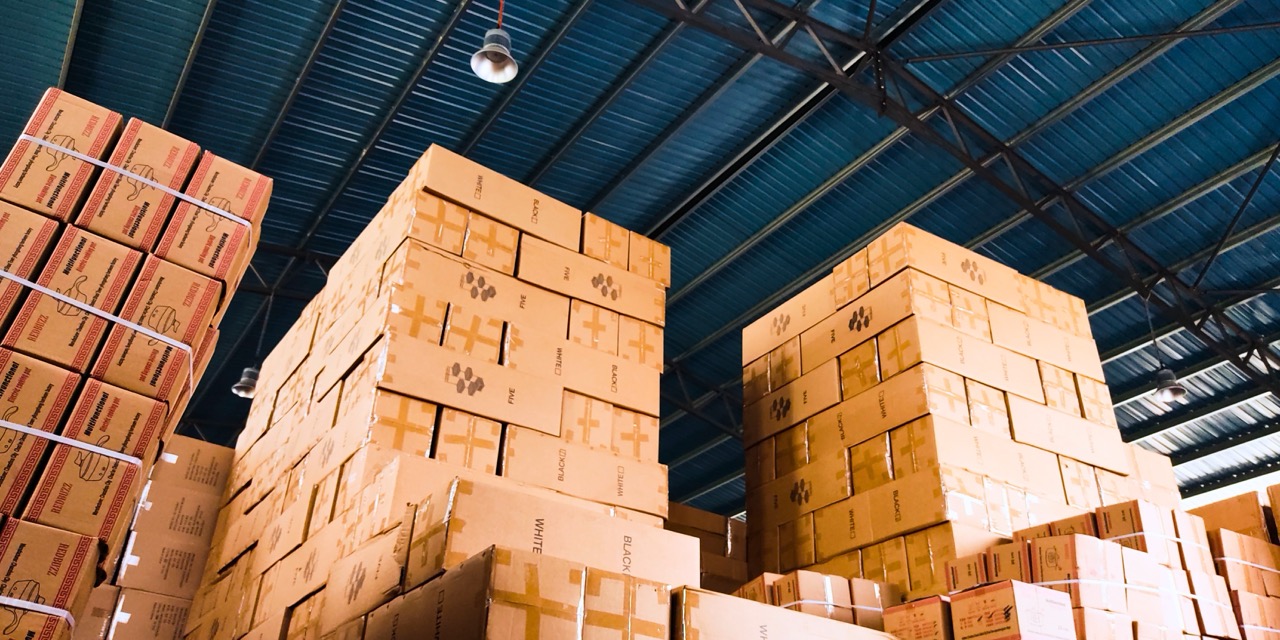
It might be a corner of the warehouse, a spare office, a shipping container or even a mezzanine floor. It’s where things get put because no one quite knows what to do with them.
“We’ll deal with it later.”
It sounds harmless enough. After all, everyone is busy. Today’s deliveries need unloading, tomorrow’s orders need picking and there’s always something more important to focus on.
But “later” has a habit of turning into six months… then a year… then suddenly nobody can remember why those pallets are still there.
We’ve all seen it. Even in our homes! (Don’t look under most people’s beds!)
Stacks of cardboard waiting to be flattened. Rolls of plastic wrap tucked behind racking. Archive boxes nobody has opened for years. Old uniforms from employees who left long ago. Promotional displays from products you don’t even sell anymore.
None of it seems urgent on its own.
Together, though, it slowly starts taking over.
The real cost isn’t just the space it occupies. It’s everything that comes with it. Forklift routes become tighter. Staff have less room to work. Finding the things you actually need takes longer. Cleaning becomes harder. Before you know it, valuable warehouse space has become permanent storage for things that nobody actually wants.
It’s surprising how quickly businesses get used to working around clutter.
We often visit sites where people have stopped noticing it altogether. The pile of cardboard in the corner has “always been there.” The old stock behind the warehouse? “We’ll get round to it eventually.”
The trouble is that warehouse space is expensive. Every square metre should be helping your business operate more efficiently, not storing materials that could have been recycled months ago.
Sometimes all it takes is one busy period to make people realise they’ve run out of room.
New stock arrives. Deliveries increase. Christmas approaches. Suddenly that forgotten corner becomes valuable again.
The businesses that stay organised aren’t necessarily the ones with the biggest warehouses. They’re usually the ones that deal with waste before it becomes a problem.
That doesn’t mean hiring a skip every few months or sending everything to landfill. In many cases, cardboard, paper, plastics, packaging, uniforms and even obsolete products can all be recycled or securely destroyed instead.
At Perrys, we regularly help businesses clear those “we’ll deal with it later” areas. Sometimes it’s a few archive boxes. Sometimes it’s an entire warehouse that’s gradually filled with unwanted materials over several years.
Every clearance is different because every business is different.
The aim isn’t simply to remove waste. It’s to help businesses reclaim space, improve efficiency and keep valuable materials within the circular economy wherever possible.
So next time you walk past that corner you’ve been meaning to sort out, ask yourself one question.
If it disappeared tomorrow, would anyone miss it?
If the answer is no, perhaps “later” has finally arrived.
If you want to work with a reputable industry expert in recycling, contact us today. Email us at info@perrys-recycling.co.uk. Learn more: www.perrys-recycling.co.uk.